
U.S.S. Enterprise NCC-1701
Not the first starship, but it's the one that defines what a starship is.

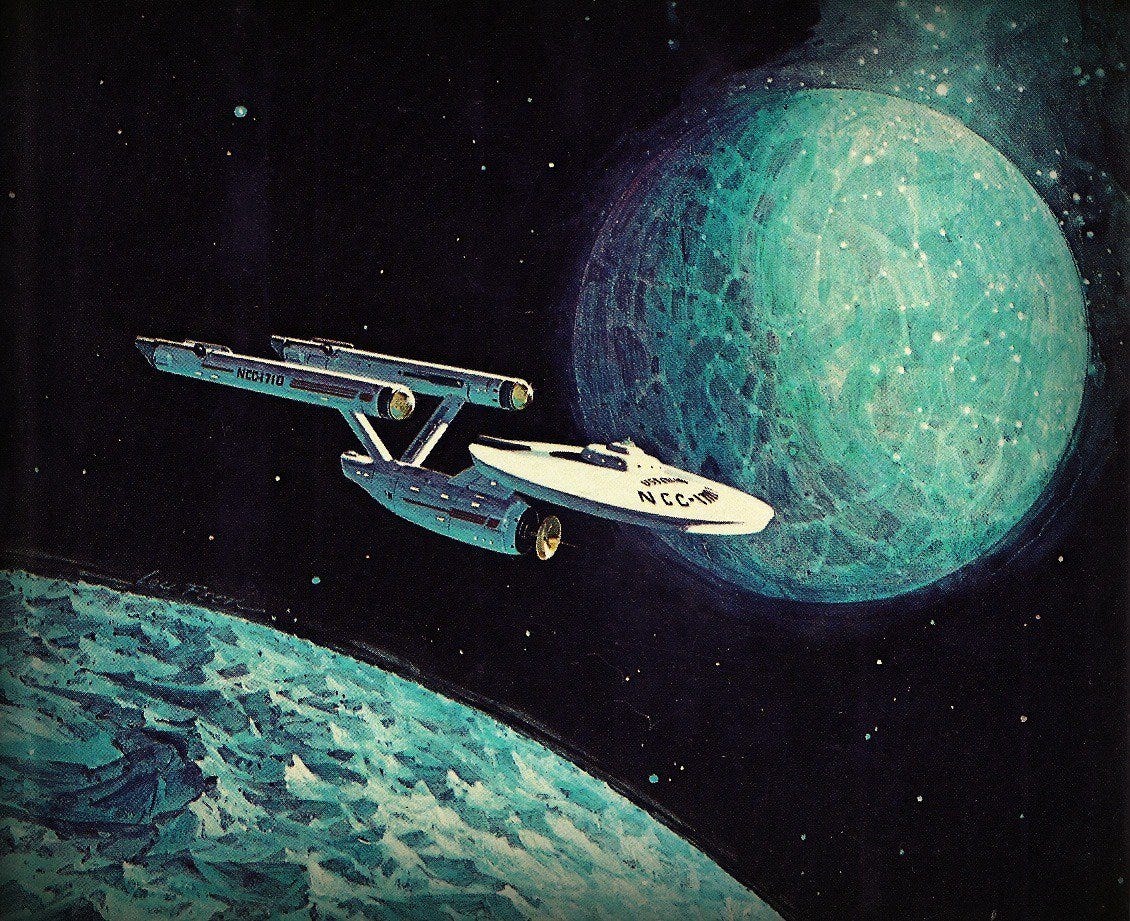
The original USS Enterprise, NCC‑1701, didn’t start as a pop‑culture icon. It began as a stack of sketches from Matt Jefferies, the production designer who had to solve a simple problem: how do you show a ship that isn’t a rocket, isn’t a flying saucer, and doesn’t look like anything from the 1950s? Jefferies approached it like an engineer. He wanted clean lines, a layout that suggested function, and a silhouette you could recognize in an instant. The saucer, the secondary hull, the twin nacelles, none of it was random. It was all meant to look like it had a purpose.


In the universe of Star Trek, the Enterprise launched in the early 23rd century as a Constitution‑class heavy cruiser. It spent years out on the frontier, doing the usual Starfleet mix of exploration, diplomacy, and the occasional crisis. Kirk’s five‑year mission is the part everyone remembers, but the ship had a long service life before and after that period. It was the workhorse of the Federation, not a museum piece.
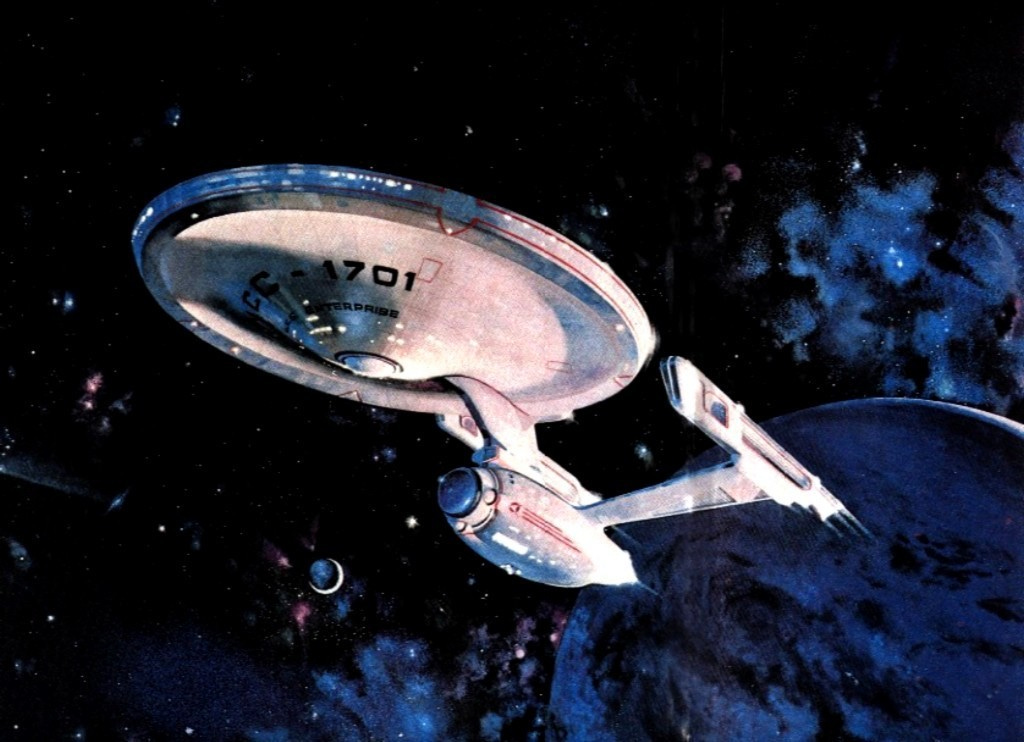
By the late 2270s, the Enterprise was due for a major overhaul. In the story, Starfleet rebuilt almost everything, engines, hull, bridge, the whole deal. In the real world, the refit was driven by the needs of Star Trek: The Motion Picture. The TV model wasn’t going to cut it on a movie screen, so the production team redesigned the ship with sharper lines, new proportions, and a more detailed surface. The result kept Jefferies’ basic layout but gave it a sleeker, more modern profile that matched the film’s tone.
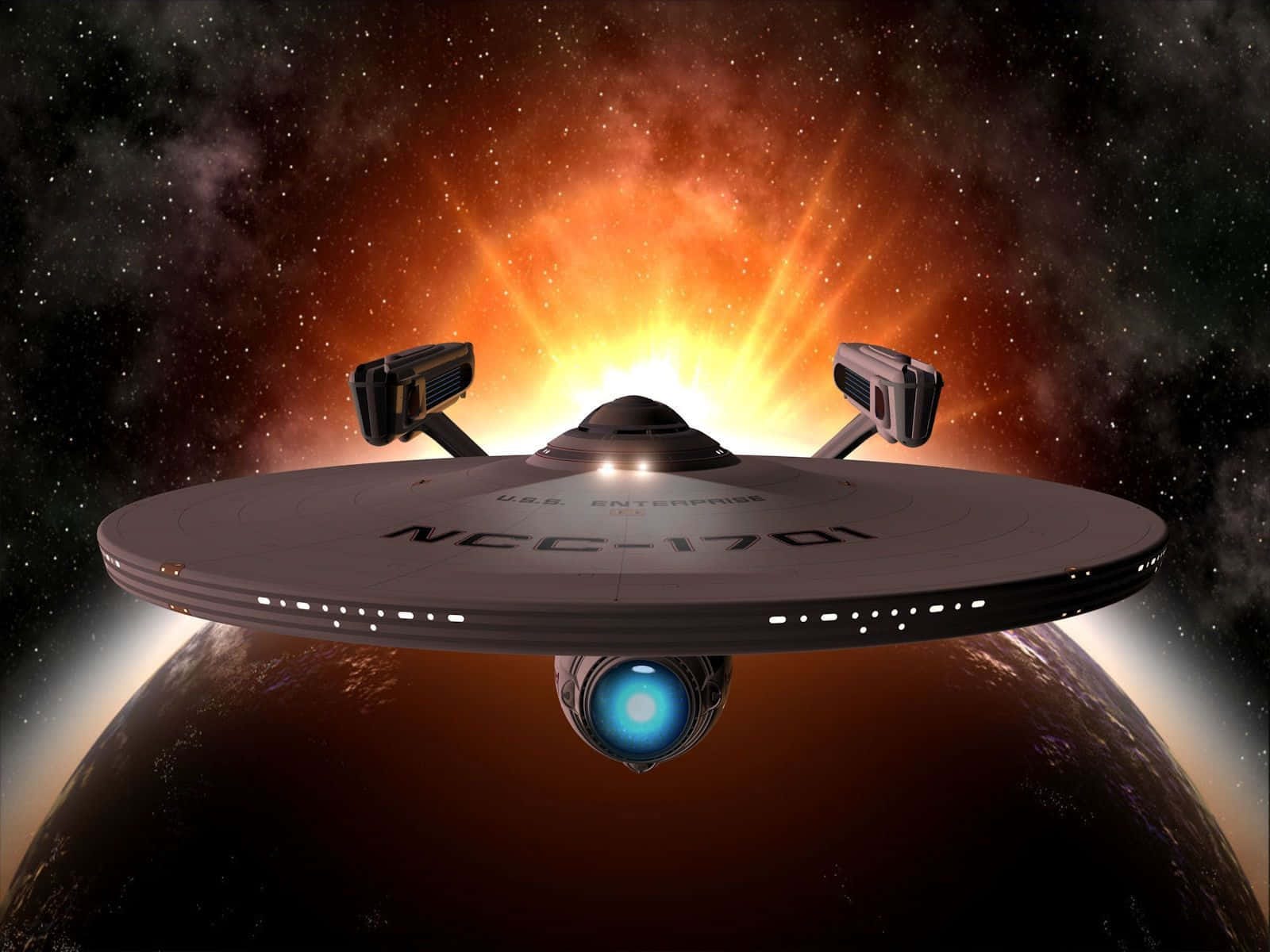
That refit Enterprise became its own era of the ship’s history. It bridged the look of the original series and the later films, and it proved that the Enterprise could evolve without losing what made it recognizable. Jefferies’ design held up, even under the pressure of a big‑budget reboot.
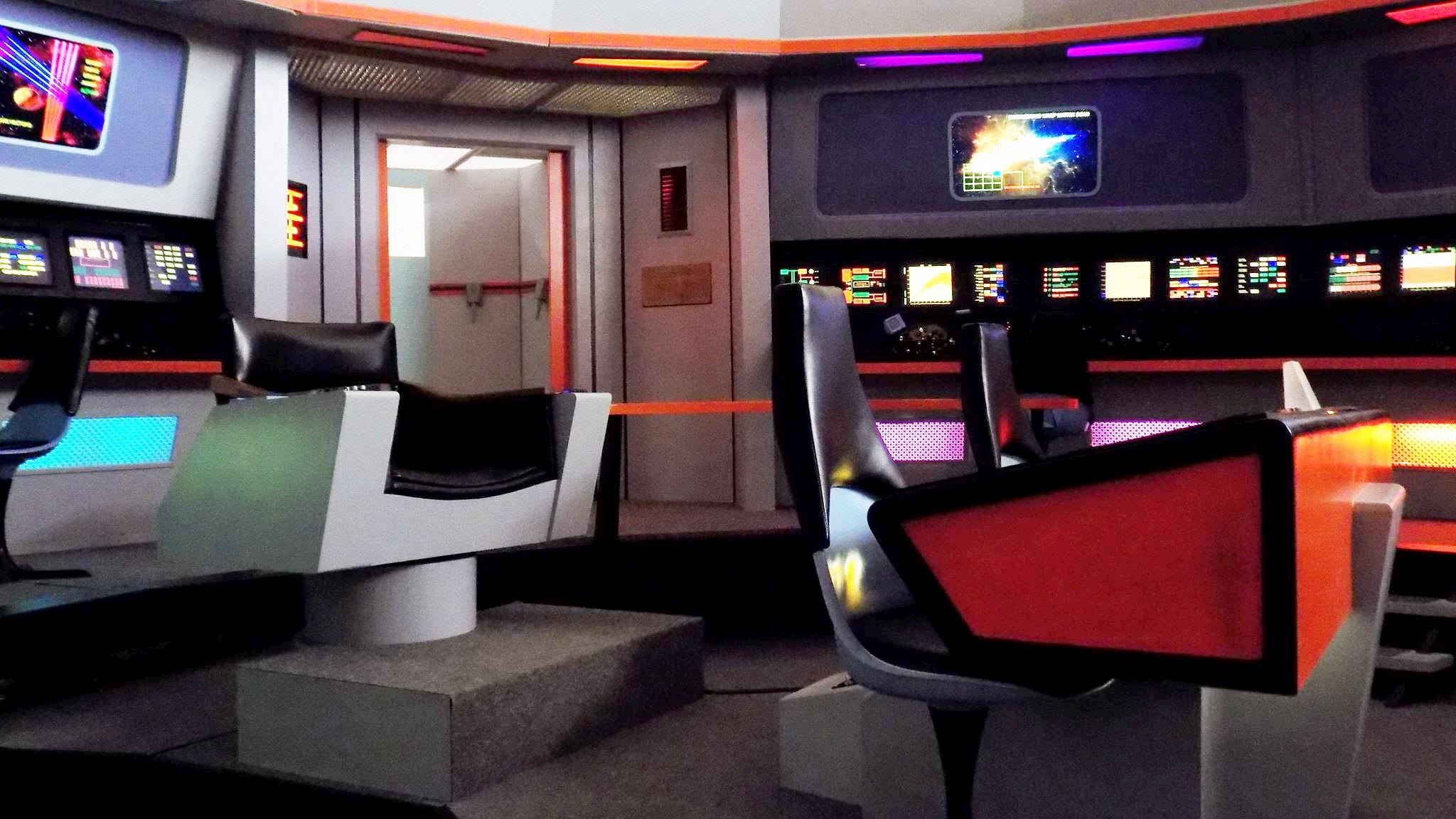
The Enterprise has had many versions since, but the 1701, both the original and the refit, is still the one that defines the name.
