
Kage no Gundan (影の軍団)
A.K.A. Shadow Warriors

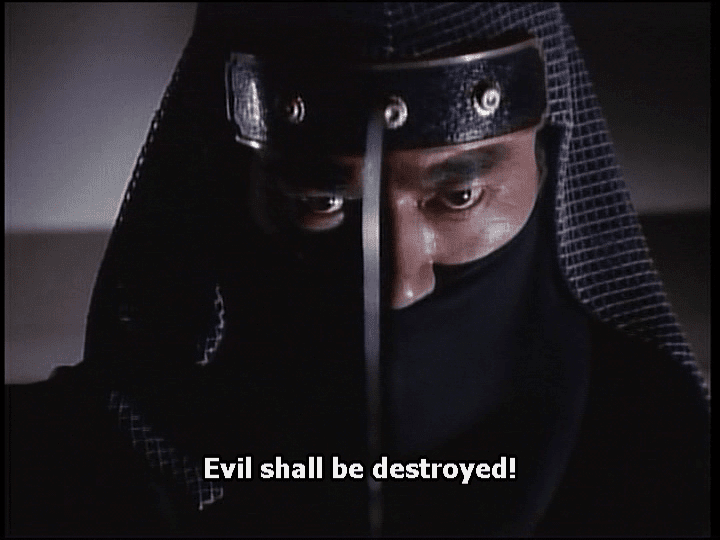
Kage no Gundan is an old favorite from my youth. In Sacramento, CA, in the early 1980s, one of our local channels would play this program on Sunday evenings. The intrigue, action and music made it a perfect show to enjoy to close the weekend out with. For me, this is Sonny Chiba at his finest. My favorite is series two Playing a leader of a hunted Iga Ninja unit in search of the “Dark Shogun” and his minions. The concept of a small band of people doing good in the shadows against much larger forces has always been a plot that I am keen on.
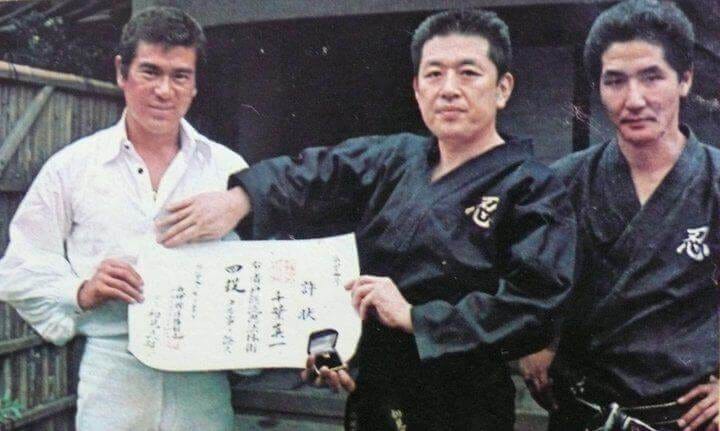
In 1980, Sonny Chiba stepped into one of his most enduring roles with the television series Kage no Gundan, known internationally as Shadow Warriors. By that point, Chiba was already a film star through titles like The Street Fighter, but this series gave him a long form canvas. Across multiple seasons, he played Hattori Hanzō, leader of a band of Iga ninja operating in the early Edo period.
The premise is direct. The Tokugawa shogunate has secured power, yet threats remain. Political rivals, regional warlords, and covert plots move beneath the surface of official peace. Hanzō and his group function in that space. They gather intelligence, sabotage enemies, and eliminate targets when required. Their loyalty is tied to survival as much as to any banner.
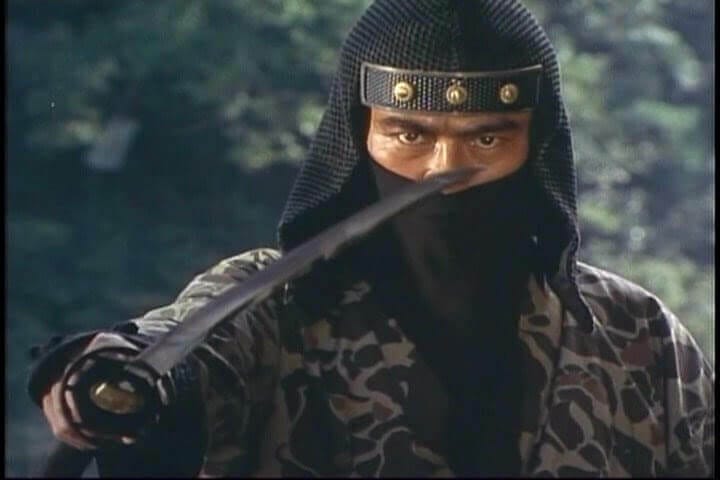
Unlike many earlier jidaigeki dramas, Kage no Gundan leans into the ninja as working operatives rather than folklore figures. Missions are structured like capers. Plans are laid out. Disguises and infiltration matter as much as swordplay. The show often frames each episode around a contract or political scheme, allowing it to move between court intrigue and street level crime.
Chiba’s performance anchors the series. His Hanzō is controlled and observant. When violence comes, it is swift. Chiba’s background in martial arts shapes the fight choreography. Sword work and hand to hand combat are staged for clarity. The action does not rely on wire work or spectacle common in later productions. It keeps a grounded approach, even when the plots turn elaborate.
The supporting cast gives the group texture. Each member of the Kage clan carries a specific skill set. Some specialize in disguise. Others handle explosives or reconnaissance. Their teamwork drives the narrative. Betrayal within the ranks, or pressure from outside forces, provides ongoing tension across seasons.
The series also reflects its production era. Made at the start of the 1980s, it blends period setting with pacing influenced by contemporary crime television. Episodes move quickly. Cliffhangers close many installments. This structure helped the show maintain momentum over its long run and several sequel series.
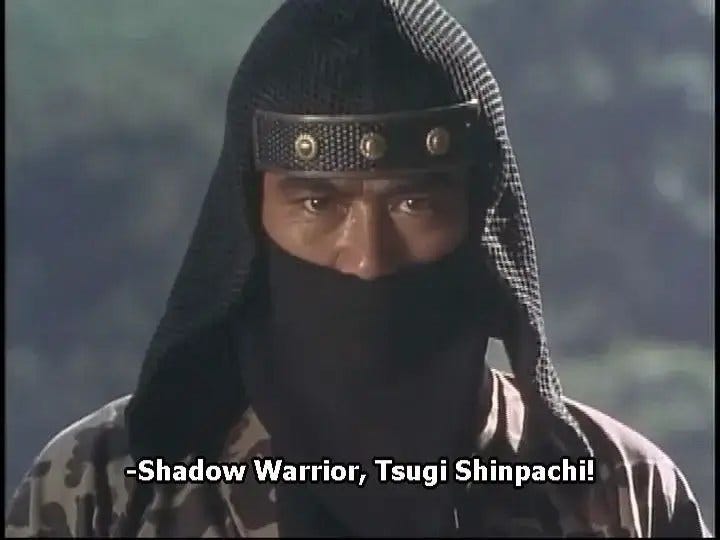
Internationally, Shadow Warriors expanded Chiba’s reach beyond film audiences. For viewers outside Japan, it became an entry point into ninja drama that felt less mythic than earlier exports. It presented espionage in a feudal frame, linking samurai politics with covert operations.
Kage no Gundan stands as a bridge in Chiba’s career. It connects his 1970s action persona to later roles in film and television. For many fans, his portrayal of Hattori Hanzō remains central to his legacy. I know that it stands out as my favorite role of his.