
HENSHIN! Exploring the Phenomenon of Kamen Rider
A Landmark in Japanese Tokusatsu History

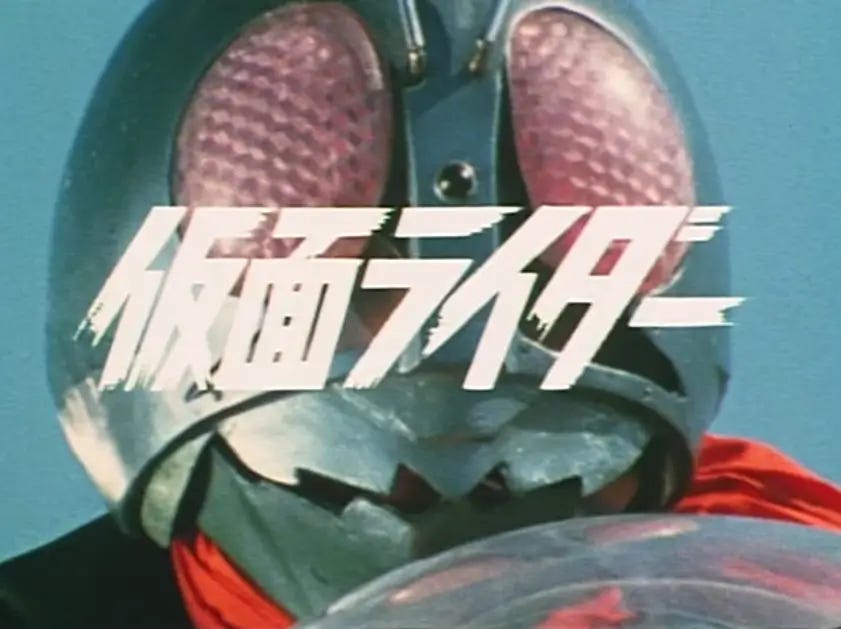
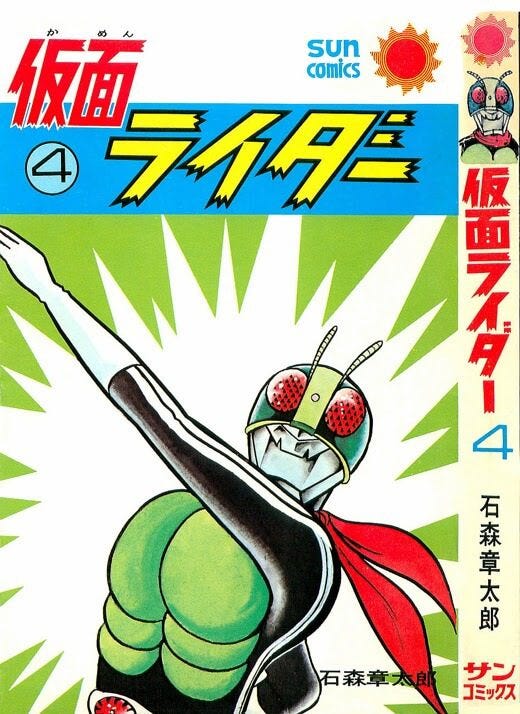
In the early 1970s, a groundbreaking television series emerged from Japan that reshaped tokusatsu and redefined the superhero genre. Kamen Rider, created by Shotaro Ishinomori, introduced audiences to a masked hero battling evil organizations through a mix of action, drama, and innovative special effects. Its original run quickly became a cultural phenomenon, marking a decisive shift in Japanese superhero storytelling and leaving a lasting impact on popular culture.
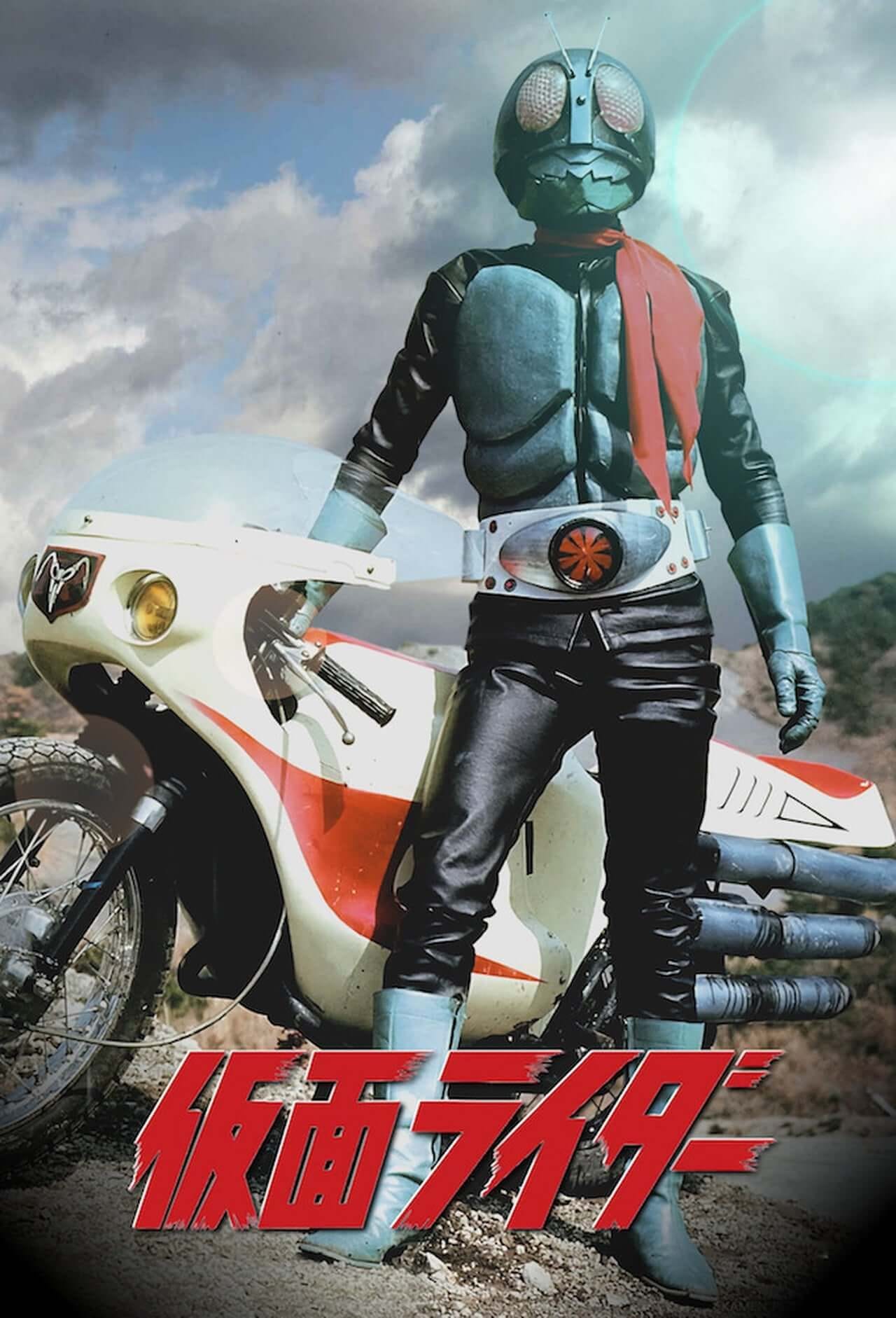
The series follows Takeshi Hongo, a young man abducted by the secret organization Shocker and transformed into a cyborg. Escaping their control, Hongo turns their technology against them, fighting as Kamen Rider with his motorcycle and transformation belt. Beneath the action, the story explores identity, justice, and the cost of heroism, focusing on Hongo’s struggle to reconcile his humanity with his altered existence.
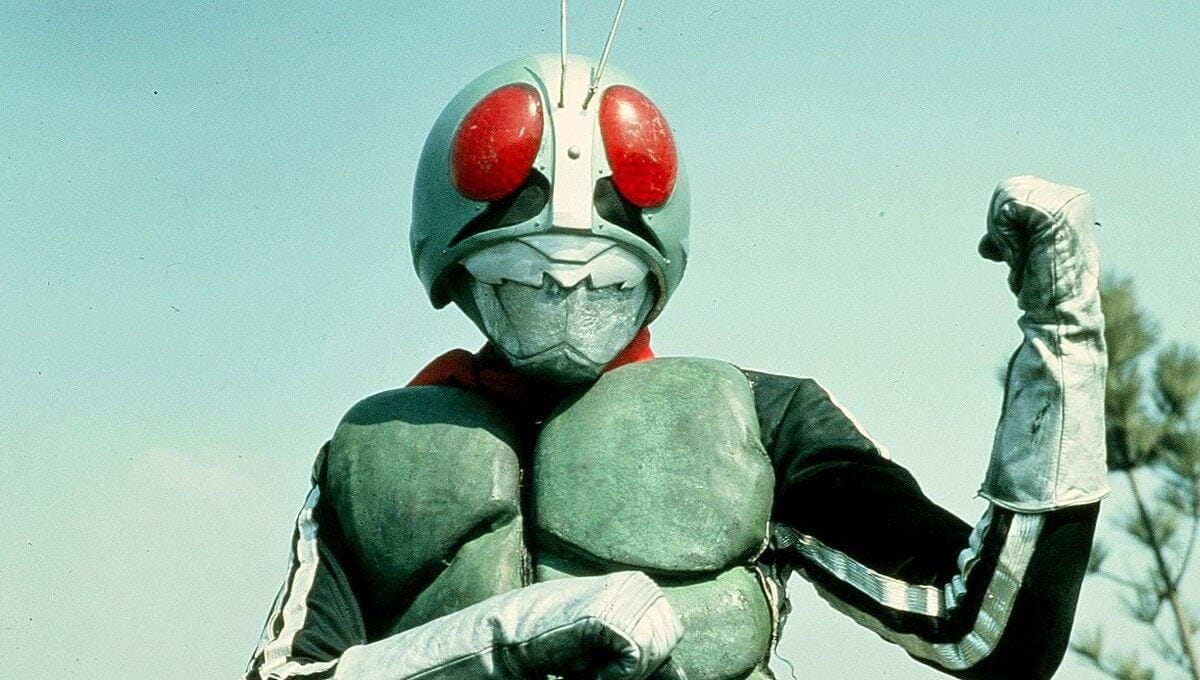
Kamen Rider succeeded by blending superhero action with serialized drama and themes that resonated with its audience. Its intense fight scenes, striking imagery, and moral conflicts appealed to viewers of all ages, while its subtext reflected social anxieties of the era. The series became both entertainment and a symbol of resistance and hope.
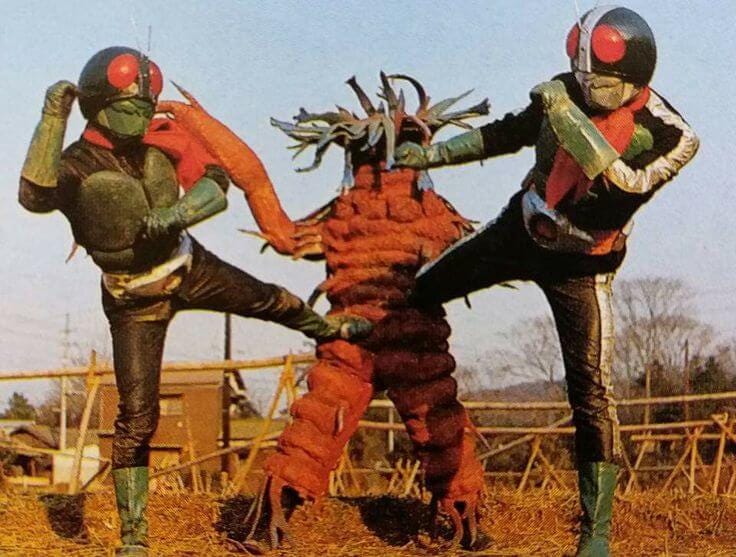
More than five decades later, Kamen Rider remains a thriving franchise, continually reinvented through new series, films, and spin-offs. Its influence extends well beyond tokusatsu, inspiring creators and sustaining a passionate global fanbase. The original series laid the foundation for countless successors and helped define the modern Japanese superhero.
As the franchise continues to evolve, the legacy of the original Kamen Rider endures. What began as a bold experiment in the early 1970s became a cornerstone of the genre, proving that masked heroes could be complex, human, and enduring symbols of justice.
Download Firefox, get the uBlock Origin extension and watch the full 1971 series on Youtube.
