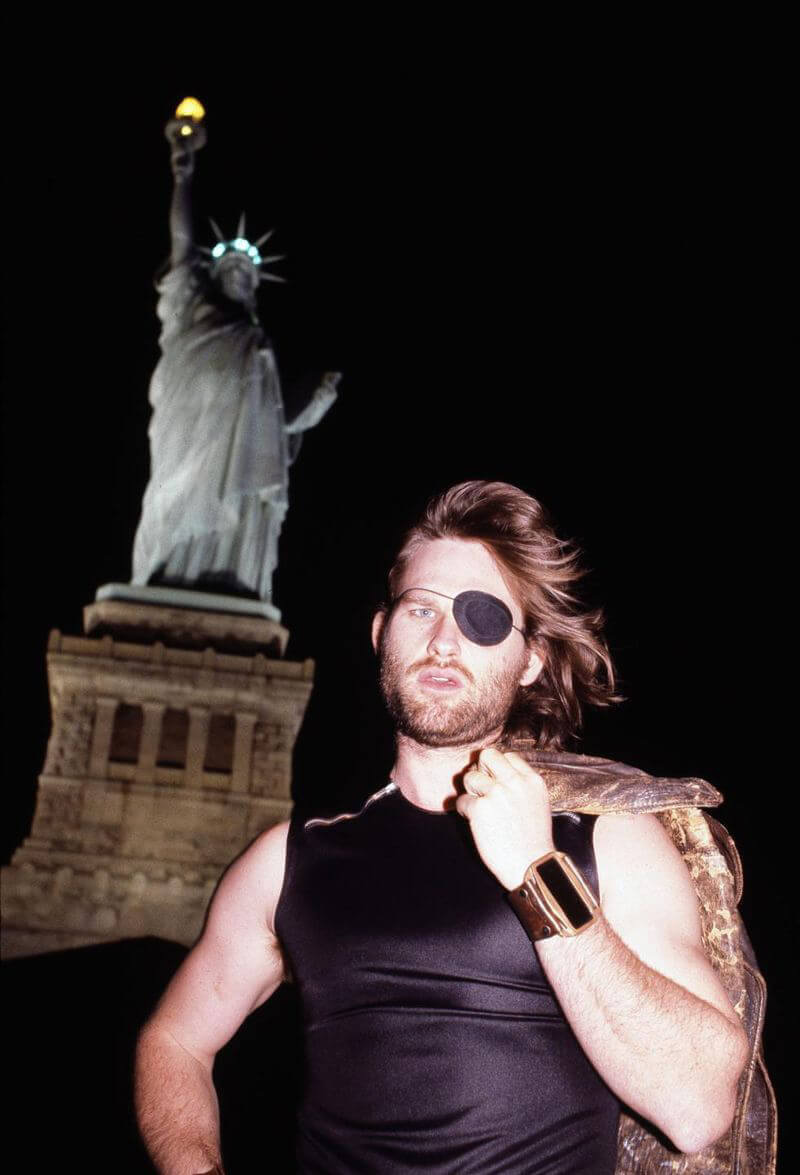
Escape from New York (1981)

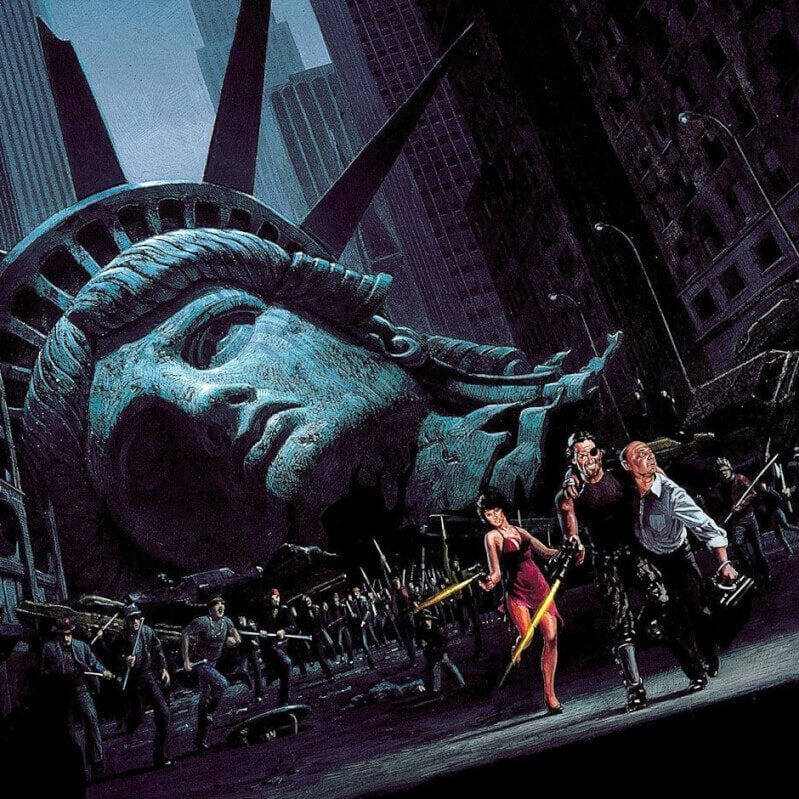
John Carpenter’s “Escape from New York” is a cult classic film that has been both groundbreaking and influential in shaping popular culture across various media. The movie is set in a dystopian society that reflects a future fraught with crime, corruption, and social decay, effectively mirroring contemporary anxieties about urban life. It features an iconic antihero character, Snake Plissken, who embodies rebellion against the oppressive and corrupt system in which he finds himself. Plissken’s journey through the chaos of a city turned into a maximum-security prison raises profound questions about morality and survival in extreme conditions. This essay will explore the film’s themes and motifs, with specific attention to its representation of dystopian societies, exploring how it critiques authority and examines the human condition in desperate times. Additionally, it will analyze the concept of antiheroes within the narrative and argue for its continued relevance and significant impact on modern pop culture, as this film continues to resonate with audiences grappling with similar themes in contemporary storytelling.

The film’s portrayal of a dystopian society reflects contemporary fears and anxieties about the future, capturing the imagination of audiences and provoking critical thought about potential repercussions of current societal trends. The world of “Escape from New York” is one where crime has become so rampant that Manhattan Island has been turned into a maximum-security prison, a grim reminder of how far society could devolve if left unchecked. The walls that surround the island and the surveillance systems that monitor its inhabitants represent the extreme measures that society is willing to take to maintain order, serving as a cautionary tale about the sacrifices made in the name of safety. This resonates with audiences who are increasingly concerned about the erosion of civil liberties and the rise of authoritarianism, sparking discussions about the balance between security and freedom, while also prompting reflection on the moral implications of such drastic interventions in everyday life. As viewers engage with the film, they find themselves grappling with their own beliefs about justice, power, and the fragile nature of democracy in a rapidly changing world.

The film’s setting in New York City as a maximum-security prison is significant in contributing to its overall themes. The city was already associated with crime and decay in the popular imagination at the time the film was made, often viewed as a symbol of urban despair and dysfunction. Its portrayal as a lawless wasteland in the movie reflects the fears of urban decay that were prevalent in the 1970s and 1980s, a period marked by rising crime rates and economic decline that deeply affected communities. The film’s representation of New York City as a place where the government has abandoned its citizens also speaks to the idea that the government is no longer capable of protecting its citizens, highlighting a deep distrust in institutions meant to provide safety and security. This sense of helplessness resonates with audiences, serving as a commentary on the fragile state of urban life and the struggles faced by those living in such environments. Additionally, the stark contrasts between the vibrant culture of the city and its grim realities enhance the narrative, emphasizing the loss of hope and the search for redemption amidst chaos.
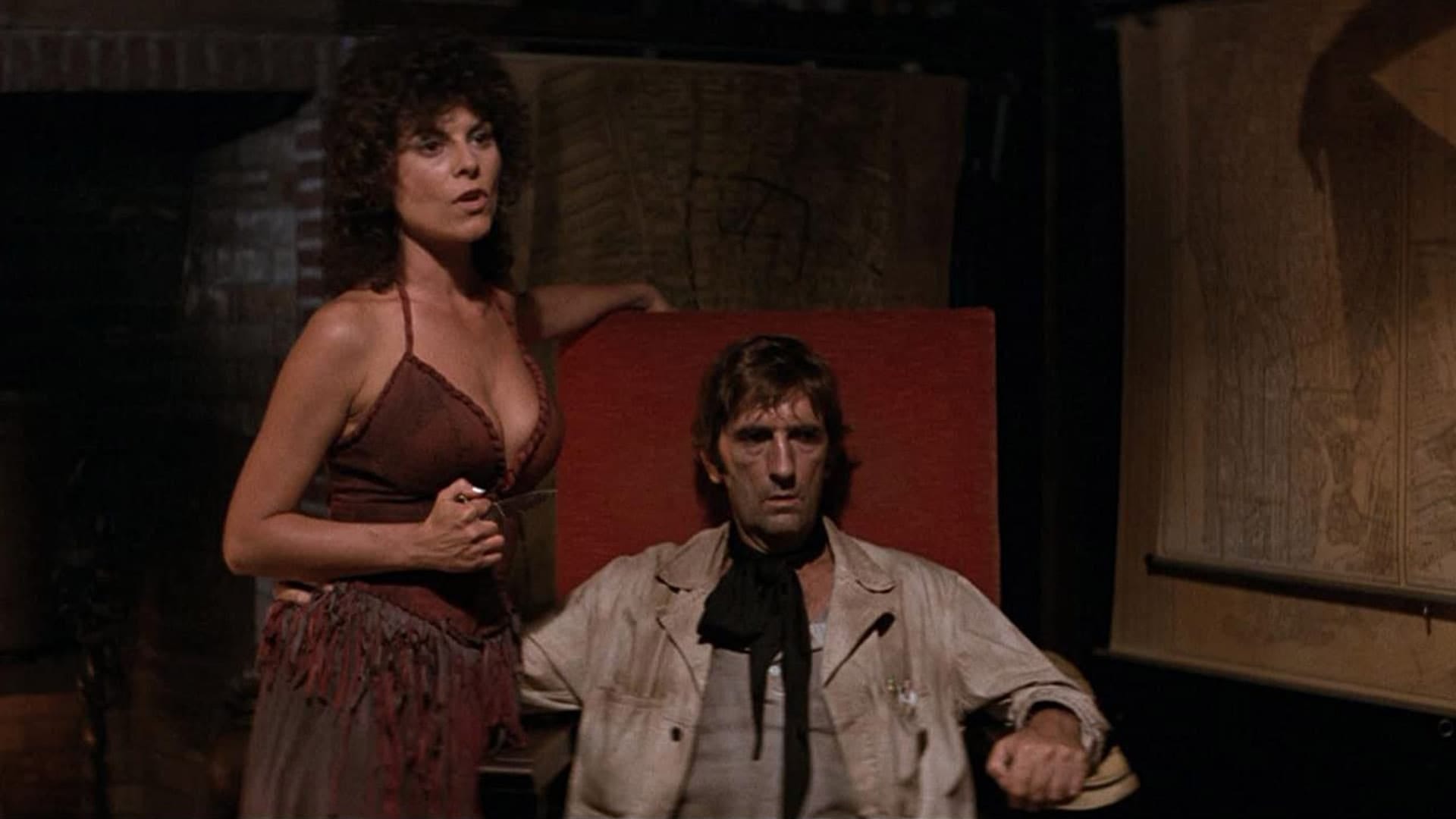
The film’s protagonist, Snake Plissken, is an antihero who subverts traditional hero archetypes in a way that challenges viewers’ preconceived notions of morality and heroism. Plissken is a hardened criminal dissident who is coerced into rescuing the President from the maximum-security prison, navigating a dystopian landscape riddled with danger and betrayal. Unlike classic heroes who embark on quests for noble reasons, he is not driven by a desire to do the right thing for its own sake; instead, he is primarily motivated by self-preservation and the promise of personal gain. This complexity makes him a more relatable and intriguing character, as he embodies the flaws and struggles of an imperfect individual. This character type has become increasingly popular in contemporary popular culture, with nuanced portrayals of antiheroes resonating deeply with audiences. Snake Plissken’s influence can be seen in various modern anti-heroes like Deadpool and The Punisher, who similarly deal with their moral ambiguity while operating on the fringes of legality and societal acceptance, revealing deeper truths about human nature and the consequences of a lawless world.
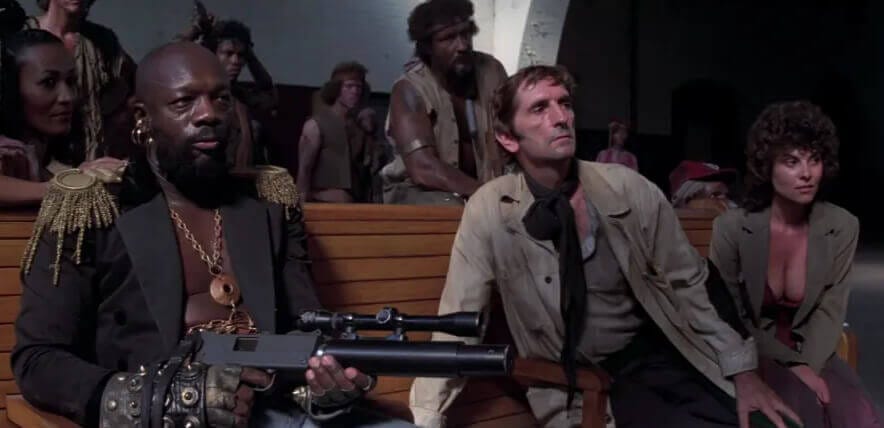
“Escape from New York” is a film that continues to be relevant and impactful on modern pop culture. Its portrayal of dystopian societies, characterized by crumbling infrastructures and societal decay, vividly illustrates the fragility of civilization and how quickly order can descend into chaos. The concept of antiheroes, embodied by the iconic character Snake Plissken, has reshaped narratives in film and television, challenging traditional notions of heroism and morality. This film speaks to the anxieties of contemporary society, capturing fears around urban violence, governmental control, and the loss of personal freedoms, and its influence can be seen in a myriad of movies, television shows, and video games that echo its themes of survival and rebellion against oppressive systems. Through its exploration of complex themes and motifs, such as isolation and resilience, “Escape from New York” has established itself as a timeless classic of the dystopian genre, resonating with new generations of audiences who find relevance in its cautionary tale about the future of humanity.